High-intensity interval training, or HIIT for short, was named one of the top fitness trends in the world for 2019, based on a survey by the American College of Sports Medicine.
This super hard, super effective style of training isn’t just the “it” workout of the moment—of the 13 years ACSM has been conducting this survey, HIIT also topped the list in 2014 and ranked in the top three for five consecutive years.
Why? Because it works, and it works fast. Whether you’re coming straight off the couch, training for a marathon, or even if you race for a living, HIIT training is good for your health and makes you fitter and faster.
What Exactly Is HIIT?
HIIT sounds very scientific, but it’s really very simple. It’s comprised of short, hard bouts of cardio exercise—anywhere from 10 seconds to five minutes in length—broken up by brief recovery periods.
How hard is hard? That depends on the interval length, but the key is to go as hard as you can for the duration of the effort. So if you’re doing Tabatas (20 seconds of effort, followed by 10 seconds of recovery), you’re running full throttle for 20 seconds. If you’re doing longer, 3- to 5-minute intervals, you’re working in your VO2 max zone, or about 95 percent of your max heart rate (or a 9 on a scale of 1 to 10) for the duration of the interval.
How much recovery you take between intervals depends on your goals. Short intervals are usually paired with equally short or even shorter recovery periods so your body can adapt to repeated maximal efforts. And because your heart rate stays elevated during the recovery periods, your aerobic energy system gets a training benefit, as well. In other cases, such as high-intensity sprints, you want each effort to be done at max, so you need to let your body fully recover for four or five minutes between bouts.
What Are the Benefits of HIIT?
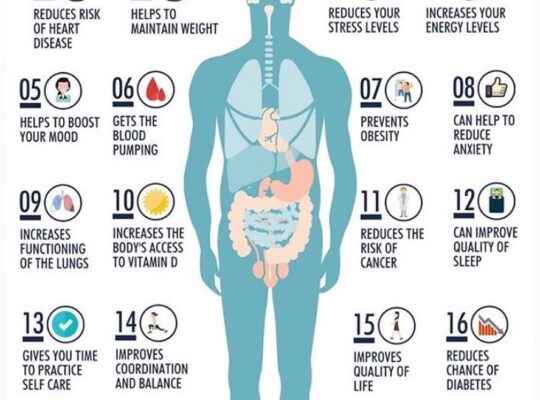
New studies on the benefits of HIIT make the news on a regular basis. Researchers found that just two minutes of sprint interval training (in this case, four 30-second max-effort sprints followed by four and a half minutes of recovery for a total of 20 minutes) improved mitochondrial function—when your cells can change fuel to energy quickly, a benchmark for good health and exercise performance—just as well as 30 minutes of moderate exercise in a group of active men and women. In other words, busting out two minutes of really hard running can give you the same fitness benefits as slogging through 30 minutes at a steady, moderate pace.
So it’s no surprise HIIT training is outstanding for your cardiovascular system. Research shows, depending on how fit you are when you begin, HIIT can boost your VO2 max (how much oxygen you can use) up to 46 percent in 24 weeks; increase your stroke volume (how much blood your heart pumps out per beat) by 10 percent after eight weeks of training, and significantly lower your resting heart rate.
It also makes your body a furnace of a fat burner. HIIT jacks up production of your body’s growth hormones that help you maintain muscle and burn fat for hours after you’re done, and it lowers insulin resistance for better blood sugar control.
And it does more than benefit your body. HIIT is also good for your mind. Research shows that high-intensity workouts improve cognitive function and increase levels of brain-derived neurotrophic factor (BDNF) more than easier exercise. BDNF is essential for learning, memory, and mood regulation, and your brain uses it to repair and maintain brain cells.
The best part is that it provides all of these benefits as well as—and in some cases better than—traditional longer bouts of moderate cardio exercise in far less time.